Ionic Hair Dryers, Explained: What the Ions Actually Do
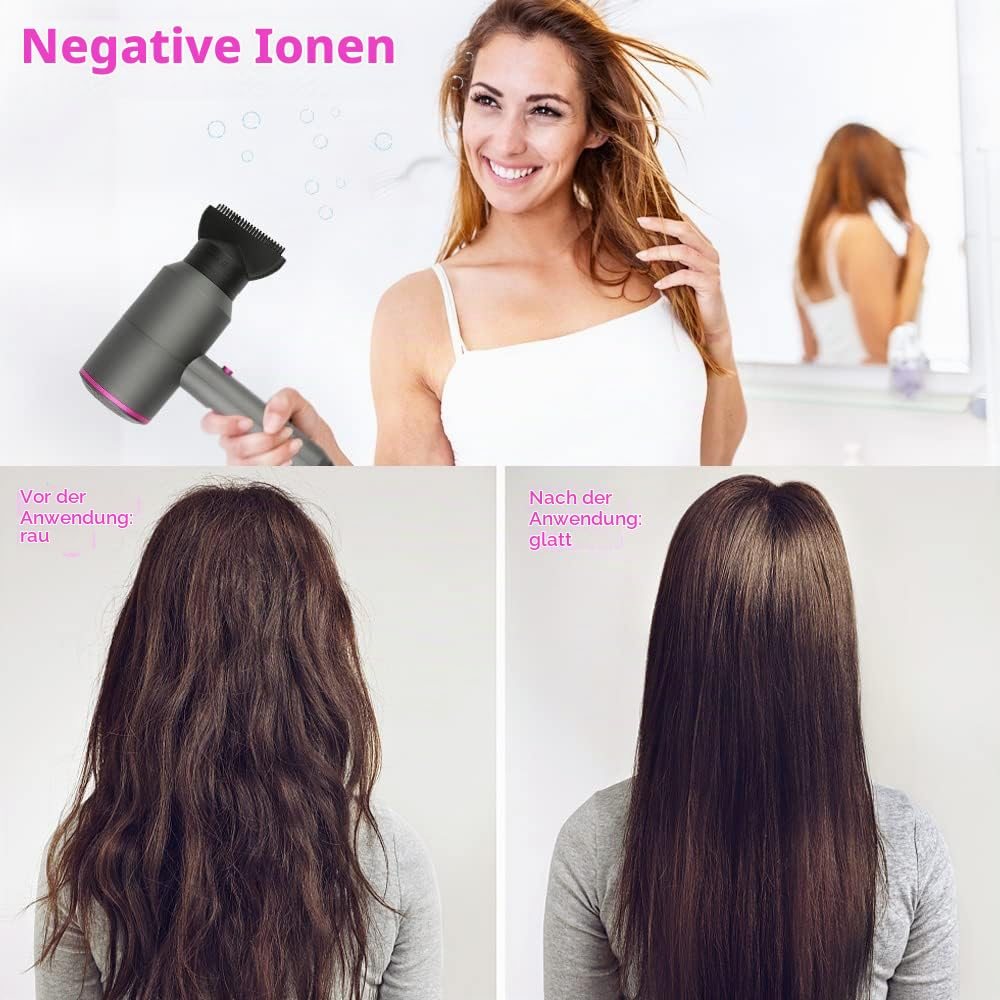
Every CASAMAA dryer carries the word "ionic", and most brands' do. It is worth understanding what is actually happening, because the effect is real but often over-sold.
The static problem
Wet hair being blasted with warm, dry air picks up positive charge. Like charges repel, so strands push away from their neighbours — the halo of flyaways over every winter blow-dry. The lifted cuticle also scatters light instead of reflecting it, which is why static hair looks dull even when it is clean.
What negative ions do
An ion generator in the dryer releases negatively charged ions into the air stream. Two things follow:
- Charge neutralisation. The negative ions offset the positive charge building up on the hair, so strands stop repelling each other. Static and flyaways collapse on contact.
- Faster water breakdown. Ions help break clustered water molecules into smaller micro-droplets that evaporate more readily — marginally faster drying at the same temperature.
The visible result is a cuticle that lies flat. Flat cuticle = smooth feel, mirrored shine, and styles that hold their shape longer because the hair is not fighting itself.
What ions do not do
Ionic output is not a moisturiser and cannot repair damage. It manages charge, not chemistry. If your hair is porous from bleach or heat, ions will make it look and feel dramatically better on drying day, but the underlying repair still comes from conditioner and time.
How to get the full benefit
Use the ionic function with the airflow pointed down the hair shaft and finish each section with the cool-shot. The cool air sets the flattened cuticle in place — skip it and humidity takes the shine back within the hour. Every dryer in the CASAMAA range pairs ionic conditioning with a dedicated cool-shot button for exactly this reason.
Want the dryer that does this quietly, every morning?
Shop the range